
Whether you’ve spent the winter shredding through the Rockies or over-the-tops through the back bowls of the Alps, the end of the high-octane ski season often leaves the body feeling like a well-used rental car. Your quadriceps are screaming, your knees have seen better days, and your CNS is likely fried from months of high-altitude adrenaline-fueled skiing.
While conventional methods of recovery, such as foam rolling and ice baths, have their place, a more refined science of recovery is becoming increasingly popular among the mountain athlete elite, and this is known as Neurosurfing.
But what exactly is it, and can it truly hack your recovery time?
What on Earth is Neurosurfing?

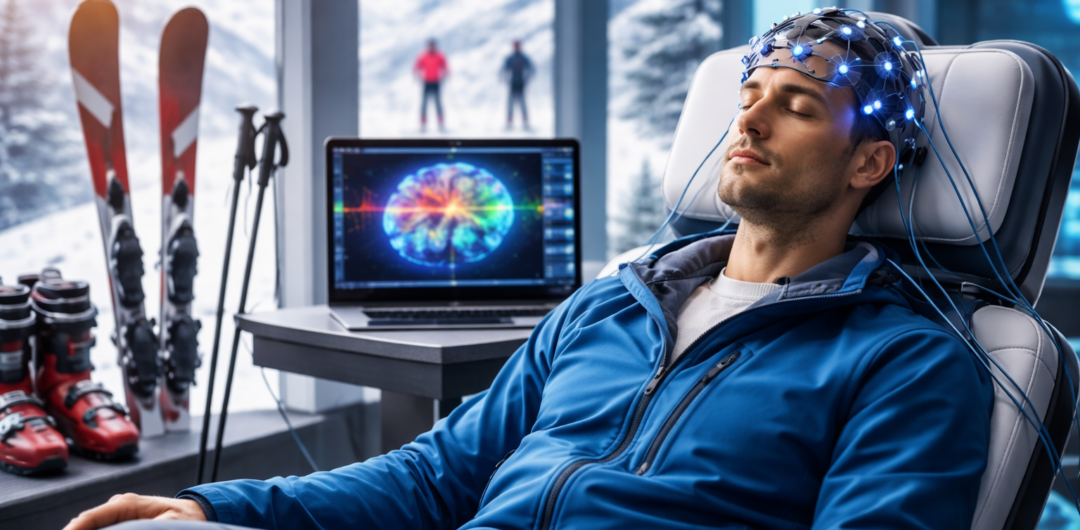
If you’re thinking of someone standing on a giant brain, balancing a surfboard, you’re not quite there, although the mental balance part is true. Neurosurfing is not an actual device, but rather a methodology that uses both neurofeedback and proprioceptive training to reset the nervous system.
When we ski, our brain is always on, working thousands of adjustments per second to keep us upright on the slopes. By the time the season is over, the sympathetic nervous system, also known as the fight or flight response, is usually stuck in the on position. Neurosurfing uses sensory-based tools that tell the brain to drop back into the parasympathetic nervous system, also known as the rest and digest response, where actual healing occurs.
The Science of the Neural Reset

Skiing is as much a mental sport as it is a physical one. Science has proven that chronic fatigue in athletes is not just the result of damaged muscle tissue; it is the result of CNS fatigue, in which the brain is unable to effectively transmit strong signals to the muscles. Neurosurfing fixes this in the following ways:
- Down-regulating Cortisol: Neurosurfing reduces the stress hormones that prevent tissue repair.
- Improving Proprioceptive Awareness: Neurosurfing recalibrates the brain to know where the body is in space without the interference of stress hormones brought on by the mountain.
- Optimizing Sleep Architecture: Neurosurfing allows the brain to achieve the deep REM sleep cycles that produce growth hormone.
Integrating Relaxation into the Recovery Flow

While neurosurfing is centered on the relationship between the mind and the body through technology and movement, the best methods of recovery are holistic. It is impossible to simply reboot the brain and forget the physical tension that is stored in the muscles. It is through modern technology that the space between neuro-recovery and traditional relaxation is filled.
For example, many skiers understand the importance of a post-ski wind-down to transition into a state of recovery. Using a top-of-the-line dry herb vaporizer, like the XMax V4 Pro, could be a lifesaver for those who make the most of this practice. Unlike combustion methods, this device provides a clean and safe way to enjoy relaxing herbs like lavender or peppermint (and other legal herbs that promote relaxation). Since the XMax V4 Pro is portable and discreet, it is the perfect tool to be used during the transition from the top of the mountain to the state of recovery that neurosurfing is based on.
Is it Better Than a Standard Rest Day?
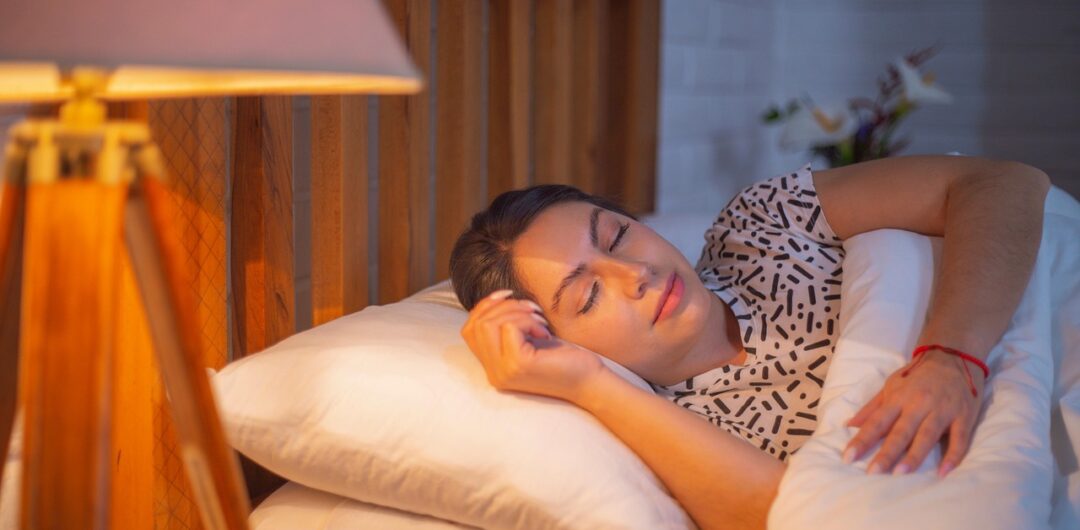
We’ve all had those rest days where we just sit on the couch and feel worse. That’s because, let’s be honest, sitting around isn’t really recovering or relaxing the nerves that are firing off from the increased levels of metabolic waste.
Neurosurfing is active recovery, which means it’s a low-impact movement that helps put the body into that flow state, like balance board work or movement that’s more of a slow-motion exercise. These drills keep the blood moving without adding more stress to the joints. It’s all about reassuring the body that the threat (the steep, icy moguls) is gone, and that it’s safe to finally relax.
How to Neurosurf at Home

You don’t need a $10,000 neuro-lab to see results. You can mimic the core principles of neurosurfing with a few simple steps:
- Rhythmic Balance: Spend 10 minutes on a balance board or even a rolled-up yoga mat. Focus entirely on the soles of your feet. This forces the brain to focus on internal signals rather than external stressors.
- Box Breathing: A 4-4-4-4 breathing pattern is a manual override for your nervous system. It’s the fastest way to surf from a stressed state to a recovered one.
- Visual Reset: Spend time looking at the horizon (the soft gaze). This shifts the brain away from the narrow focus associated with high-speed skiing and towards a broader, more relaxed state of awareness.
The Verdict: Secret Weapon or Hype?
Is neurosurfing the secret to quick recovery? Well, in a way, yes! While it may sound like another trendy buzzword, the science behind the technique is sound, especially when it comes to sports physiology.
At the end of the season, your muscles aren’t the only ones that are fatigued; your brain is also exhausted from working overtime to keep you safe. Letting your brain surf into a place of calm doesn’t just make you feel good, it makes you stronger, faster, and more agile when the first snowflakes fall the following year.