
Every homeowner hits that moment: you stand in the middle of a room, staring at a problem, and you ask yourself, Do I grab a hammer… or do I call someone who actually knows what they’re doing?
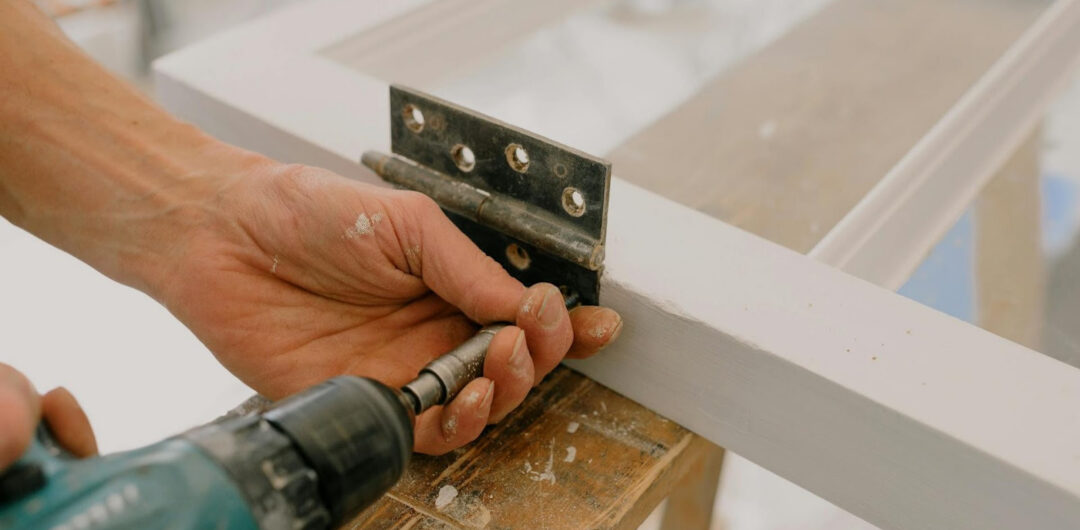
Making DIY decisions can feel exciting because it saves money and gives you control. But it can also get stressful fast when a “quick weekend project” turns into a half-finished mess that drags on for weeks. On the other hand, hiring a professional costs more upfront, but it often brings peace of mind and a cleaner result.
The real trick isn’t choosing DIY every time or hiring every time. It’s learning how to make the right call depending on the job, your skills, your budget, and what’s at stake.
This guide will walk you through the most common home upgrades, space by space, so you can feel confident about when to grab your tools and when to call in the pros.
Hammer or Hire? The Homeowner’s Guide to DIY Decisions – Bathroom Upgrades: What’s too Complex to Handle Yourself?
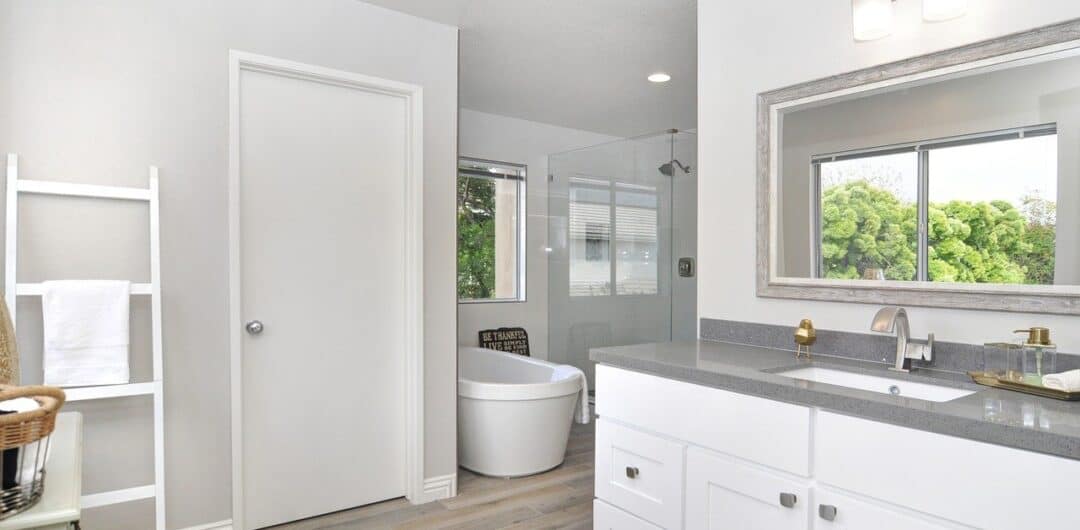
Bathrooms are small, but they’re not simple. You can absolutely handle surface upgrades. Paint the walls. Replace the mirror. Install new towel bars. Change out a faucet if the plumbing lines stay in place. These upgrades make a noticeable difference and stay within reach for most homeowners.
But anything that involves serious plumbing needs caution. A shower replacement is not just removing tile. It requires proper waterproofing and sealing. A tub installation needs precise fitting and drainage setup. If water can get behind walls, the risk goes up fast. The same goes for moving plumbing lines or changing the layout. That’s when you call a bathroom remodeling company. You protect your home from leaks and long-term damage.
Hammer or Hire? The Homeowner’s Guide to DIY Decisions – Kitchen Improvements: What’s Safe to DIY and What’s Not?

The kitchen pulls you in because even small updates look impressive. You can repaint cabinets if you prep them well. You can install a backsplash if you take your time. You can change cabinet handles and swap light fixtures without much risk. These upgrades improve the look without touching major systems.
But kitchens hide complexity. If you want to move a sink, you’re dealing with plumbing. If you want to move a stove, you might be dealing with gas lines. New countertops require accurate measurements and heavy lifting. Electrical changes for new appliances also need proper wiring. If the upgrade affects plumbing, gas, or built-in systems, hiring a professional makes sense.
Hammer or Hire? The Homeowner’s Guide to DIY Decisions – Bedroom and Closet Upgrades: Where Does DIY Make Sense?

Bedrooms are usually more forgiving. You can repaint. You can install new baseboards. You can update closet systems and add shelving. These are controlled projects. If something goes wrong, it’s often cosmetic and fixable.
But adding new wiring for outlets or ceiling fans is different. Cutting into walls without knowing what’s inside can create bigger problems. Structural changes, even in a bedroom, need proper evaluation. Stick to upgrades that improve storage and style. Leave hidden systems alone unless you have the right experience.
Hammer or Hire? The Homeowner’s Guide to DIY Decisions – Flooring Upgrades: When to Try and When to Step Back?

Flooring looks straightforward until you start laying it down. In small rooms, you can install laminate or peel-and-stick planks yourself. Many products are designed for DIY installation. If the subfloor is level and the space is simple, you can get good results.
But hardwood is less forgiving. Large open areas require careful alignment. Tile flooring demands precise leveling and spacing. Uneven floors create long-term issues. If you’re covering a large portion of your home, mistakes become obvious. In those cases, hiring an installer can save you frustration and wasted materials.
Hammer or Hire? The Homeowner’s Guide to DIY Decisions – Lighting and Electrical Updates: Safe Swaps vs. Risky DIY

Lighting upgrades can feel like the easiest way to refresh a home. You can replace a basic light fixture or update a ceiling lamp if the wiring is already in place and you follow safety steps. Swapping bulbs, adding plug-in lamps, or installing smart switches can also be manageable for you.
But electrical work becomes serious very quickly. Adding new outlets, running new wiring, or upgrading a breaker panel is not a casual weekend project. Even one wrong connection can create a fire risk. If you’re unsure about what’s behind the wall, don’t guess. For anything beyond simple fixture replacement, hiring a licensed electrician is the safer choice.
Hammer or Hire? The Homeowner’s Guide to DIY Decisions – Walls, Paint, and Trim Work: High-Impact DIY Upgrades
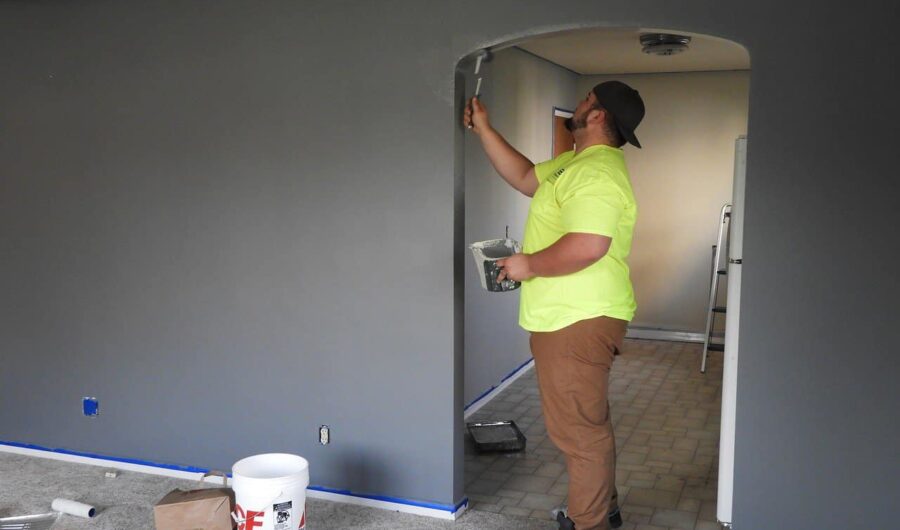
Painting is one of the most homeowner-friendly upgrades. You can change the entire feel of a room with a new color. You can also patch small holes, repaint baseboards, or update trim. These projects take patience more than expertise. And the results show up immediately.
But walls can hide surprises. If you want to knock down a wall to open up a space, you need to know if it’s load-bearing. Drywall repairs also get tricky when the damage is large or the surface needs to look seamless. If you’re dealing with major structural changes or extensive repair work, a professional can save you time and frustration.
Hammer or Hire? The Homeowner’s Guide to DIY Decisions – Roof, Windows, and Exterior Projects: Know When to Hire Help

Exterior upgrades protect your home as much as they improve it. You can do small fixes like sealing gaps, repainting trim, or cleaning gutters if you feel comfortable on a ladder. Replacing house numbers or updating outdoor fixtures also stays in DIY territory.
But roofing repairs are not something to take lightly. Working at height is dangerous, and improper repairs can lead to leaks. Window replacement also requires precision. Poor installation can cause drafts, water intrusion, and energy loss. When the project affects the outer shell of your home, professional work often pays off.
Hammer or Hire? The Homeowner’s Guide to DIY Decisions – Final Decision Guide: Choosing DIY or Hiring for Any Upgrade
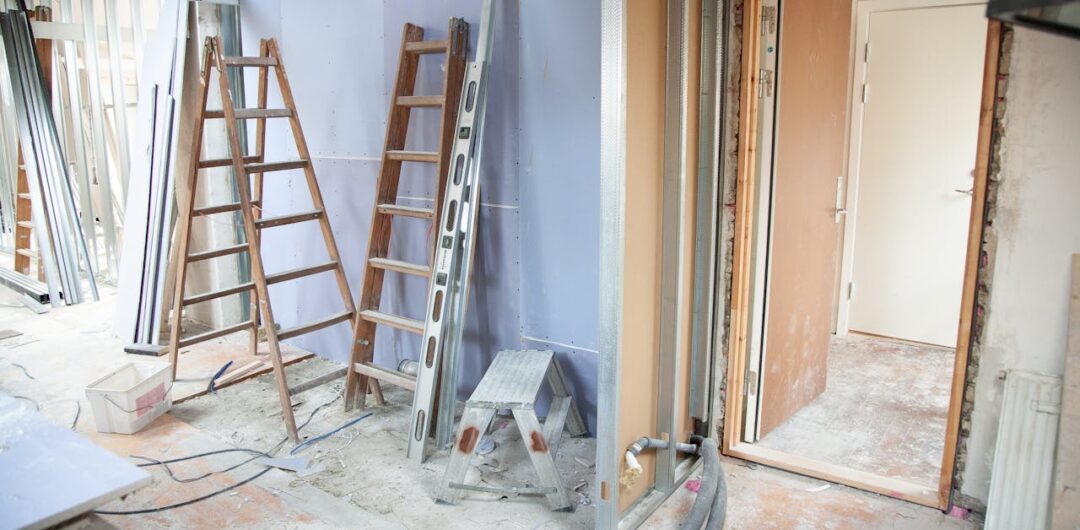
By the time you reach this point, the question becomes simpler. You don’t need to ask “Can I do this?” in a general way. You ask more specific things. Does this project involve water? Does it involve wiring? Does it affect structure or safety? If yes, you should probably call a pro.
DIY works best when the upgrade is cosmetic or low-risk. Hiring makes sense when the job demands permits, specialized tools, or serious experience.
Every part of your home offers projects you can handle and projects you shouldn’t. The goal isn’t to prove you can do it all. The goal is to make choices that protect your home, your budget, and your peace of mind. When you know what’s safe to tackle and what’s worth hiring out, you can improve your space without turning it into a stressful situation.