
As World Hearing Day approaches on March 3rd, a new report by ReSound is shining a spotlight on the US attractions with hearing accessibility, setting new standards for hearing inclusion. The study reviewed 20 of the nation’s most visited cultural and historic destinations, evaluating how well each accommodates visitors with hearing loss. Here are the top 10 US attractions with hearing accessibility.

US Attractions with Hearing Accessibility: Ranking the Most Hearing-Inclusive Attractions in America
ReSound’s analysis assessed each attraction based on key accessibility features, including American Sign Language (ASL) tours, assistive listening systems, induction loops, sensory maps, and designated quiet spaces. These features help ensure that visitors with hearing loss can fully experience and enjoy the country’s most iconic landmarks.
Top 10 Hearing-Inclusive Tourist Attractions in the U.S.
| Rank | Tourist Attraction | Location | Score/80 |
|---|---|---|---|
| 1 | Alcatraz Island | San Francisco, CA | 65.0 |
| 2 | The Metropolitan Museum of Art | New York City, NY | 63.9 |
| 3 | The Art Institute of Chicago | Chicago, IL | 57.8 |
| 4 | The National 9/11 Memorial & Museum | New York City, NY | 53.9 |
| 5 | Biltmore Estate | Asheville, NC | 42.2 |
| 6 | Graceland | Memphis, TN | 40.6 |
| 7 | National Museum of WWII Aviation | Colorado Springs, CO | 40.0 |
| 8 | American Museum of Natural History | New York City, NY | 40.0 |
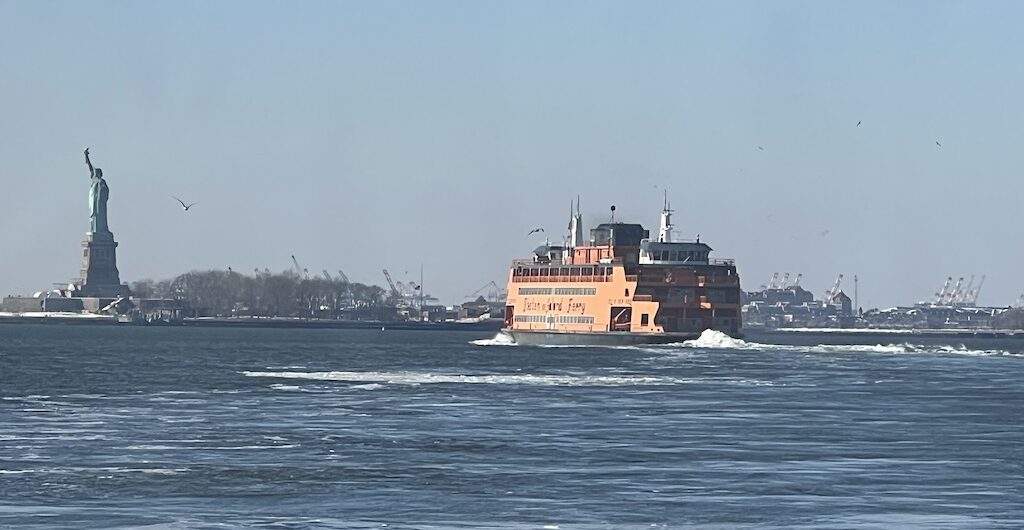
| 9 | Statue of Liberty | New York City, NY | 36.7 |
| 10 | Mount Rushmore National Memorial | Pennington County, SD | 35.0 |
Alcatraz Island Sets the Standard for Hearing Accessibility
Leading the list is Alcatraz Island in San Francisco, which earned an impressive score of 65 out of 80. The historic site offers a wide range of accessibility features, including sensory maps, ASL video tours, and designated quiet areas. These initiatives make it easier for visitors with hearing loss to explore the island’s storied past in a comfortable and inclusive environment.
The Metropolitan Museum of Art: A Model for Inclusive Design
In second place, The Metropolitan Museum of Art in New York City scored 63.9 out of 80. The Met’s commitment to accessibility includes ASL-friendly tours, induction loops throughout the museum, and quiet spaces designed to enhance the visitor experience for those with hearing sensitivities.
For example, I’ve personally had the pleasure of visiting MoMA in Manhattan, and it really is a haven for folks with accessibility needs. In most of the rooms and areas, there are calm spots with comforting lighting. If you do need to get away (my daughter is sensitive to both lighting and sound), make sure to ask for directions and locations where you can easily find both.
The Art Institute of Chicago: Supporting Visitors with Hearing Loss
Rounding out the top three, The Art Institute of Chicago achieved a score of 57.8 out of 80. The museum provides assistive listening systems, ASL-interpreted programming upon request, and sensory maps to help visitors navigate its extensive galleries with ease.
Promoting Hearing Inclusion Across U.S. Attractions
The report highlights a growing movement toward hearing accessibility in tourism, encouraging more cultural institutions to adopt inclusive practices. As awareness of hearing loss continues to rise, these leading attractions demonstrate how thoughtful design and technology can make travel experiences more inclusive for everyone.
With World Hearing Day 2026 emphasizing the importance of hearing health and accessibility, these destinations serve as inspiring examples of how the tourism industry can create welcoming spaces for all visitors. A huge thank to ReSound for compiling the data.