
Aging is inevitable, but with today’s skincare innovations, it’s easier than ever to keep your skin looking fresh, youthful, and vibrant. Two of the most popular ingredients in anti-aging products are collagen and retinol.
Both bring unique benefits to the table, but how do you decide which is better suited for your needs? Let’s explore what each of these skincare powerhouses does, how they work, and how you can get the best of both worlds.
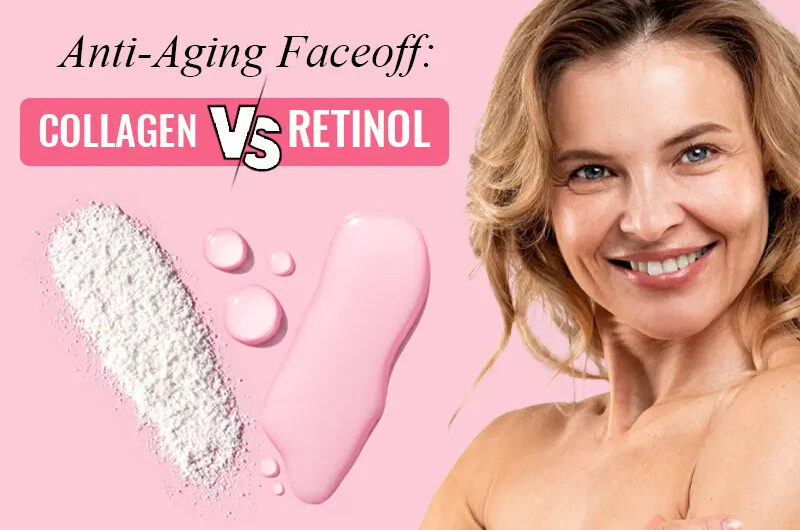
Collagen and Retinol in Skincare
When it comes to combating signs of aging, collagen, and retinol are two standout ingredients, each offering distinct pathways to healthier, younger-looking skin.
Collagen, a protein naturally found in the skin, is essential for maintaining its structure, strength, and elasticity. As we age, our natural collagen production decreases, leading to wrinkles, sagging, and a loss of firmness.
That’s why collagen-based skincare has become popular—it aims to replenish this vital protein, working to restore your skin’s plump, youthful appearance.
On the other hand, retinol is a derivative of vitamin A and has been a trusted ingredient in skincare for decades. Unlike collagen, Retinol targets the skin at a cellular level. It speeds up cell turnover, which is the process of shedding old skin cells and revealing fresh ones underneath.
This exfoliating action smooths out fine lines, refines skin texture, and brightens tone, making it a versatile ingredient for those tackling wrinkles, uneven pigmentation, and even acne scars.
Because retinol boosts collagen production from within, it’s often seen as a long-term investment in the skin’s health and appearance.
Understanding Collagen: The Foundation of Skin Elasticity

Collagen is a protein your body naturally produces, forming the structure that keeps your skin firm, smooth, and resilient. Think of it as the scaffolding that holds everything together. However, as you age, your body’s collagen production slows down, leading to wrinkles, sagging, and a loss of skin elasticity.
Why Does Collagen Matter for Anti-Aging?
As we get older, we lose about 1% of our collagen each year, which sounds small but can add up quickly. This loss contributes to thinner, more fragile skin. Collagen in skincare products can help reinforce and replenish the skin’s structure. Here’s how:
- Boosts Skin Firmness and Elasticity: Collagen acts like a filler that smooths out wrinkles and fine lines by plumping up the skin’s surface.
- Enhances Hydration: By helping the skin retain moisture, collagen reduces dryness, which can make wrinkles appear more pronounced.
- Strengthens the Skin Barrier: Collagen fortifies the outer layer of skin, making it more resistant to damage from environmental factors like pollution and UV exposure.
Topical collagen products, such as creams and serums, focus on moisturizing and strengthening the skin barrier, while collagen supplements work from the inside to support overall skin health.
Meet Retinol: The Powerful Cell Renewal Booster
Retinol, a derivative of vitamin A, is a true multitasker in the skincare world. It works by speeding up cell turnover, helping the skin shed old cells and reveal fresher, smoother skin beneath. If collagen is all about structure, retinol is about renewal. Retinol serums are particularly effective in delivering these benefits, making them a popular choice for those seeking youthful, radiant skin.

How Retinol Helps with Anti-Aging?
Retinol is widely respected for its ability to promote collagen production and reduce visible signs of aging. Here’s how retinol benefits the skin:
- Stimulates Cellular Turnover: Retinol encourages your skin to renew itself faster, which helps fade dark spots, reduce wrinkles, and improve texture.
- Boosts Collagen Production: By stimulating fibroblasts (the cells responsible for making collagen), retinol helps improve skin elasticity and firmness.
- Smoothens Skin Texture: Retinol’s exfoliating properties help unclog pores, smooth out rough patches, and reveal a more radiant complexion.
- Evens Skin Tone: Retinol is known for reducing hyperpigmentation, dark spots, and uneven skin tone, which are common signs of aging.
Collagen vs. Retinol: How Do They Compare?
Collagen and retinol both target aging, but they approach it from different angles. Here’s a closer look at what sets them apart:
- Function and Mechanism: Collagen provides foundational support, keeping the skin firm and plump. Retinol, meanwhile, encourages skin renewal and enhances collagen production over time.
- Skin Type Compatibility: Collagen is ideal for sensitive or dry skin types because it hydrates and soothes. Retinol, while powerful, can sometimes irritate, so it’s better suited for those with normal to oily skin or those seeking treatment for acne in addition to anti-aging.
- Visible Results: Collagen provides immediate hydration and plumping effects, making it great for short-term results. Retinol, on the other hand, works on a cellular level and takes several weeks to show noticeable changes but offers longer-lasting improvement in skin texture and tone.
Can You Use Collagen and Retinol Together?
Absolutely! These ingredients can complement each other beautifully. Here’s how to combine them for maximum benefit:
- Layering in Your Routine: Use collagen in the morning to keep your skin hydrated and protected throughout the day. At night, apply retinol to promote cell turnover and collagen production while you sleep.
- Timing and Frequency: Start with retinol 2-3 times a week to allow your skin to adjust, and incorporate collagen daily if desired. This approach helps minimize irritation from retinol while taking advantage of collagen’s gentle, soothing effects.
- Combining Products: Look for products that include both collagen and retinol in a single formula if you prefer a simpler routine. Just make sure to follow instructions carefully to avoid overusing retinol, as it can lead to irritation if applied too frequently.
Choosing the Best Option for Your Skin Goals

So, how do you decide between collagen and retinol? It depends on your skin type, tolerance, and what you’re hoping to achieve.
- If Your Main Goal is Hydration and Firmness: Collagen is a great choice for plumping up the skin and improving its overall resilience. It’s a wonderful option if you’re looking for something gentle, especially if your skin tends to be on the sensitive or dry side.
- If You’re Targeting Fine Lines, Wrinkles, and Dark Spots: Retinol is your go-to. Its exfoliating and collagen-boosting effects make it highly effective for more noticeable anti-aging results. If you’re new to retinol, start with a lower concentration to let your skin adjust.
- For Comprehensive Anti-Aging Care: Using both collagen and retinol in your routine provides a balanced approach. Collagen delivers immediate hydration and strengthens the skin barrier, while retinol works overtime to address deeper signs of aging.
Final Thoughts: Combining Collagen and Retinol for Best Results
When it comes to anti-aging, collagen and retinol aren’t competitors—they’re allies. By including both in your skincare routine, you can enjoy the structural benefits of collagen while harnessing retinol’s cell-renewing power. Remember, patience is key, especially with retinol. With consistent use, you’ll likely see smoother, firmer, and more youthful-looking skin.
If you’re unsure about where to start, consider consulting with a dermatologist to help customize a routine that fits your skin’s needs. Aging is a journey, but with the right ingredients, you can make that journey a little smoother.
References
Decreased Collagen Production in Chronologically Aged Skin – https://pmc.ncbi.nlm.nih.gov/articles/PMC1606623/